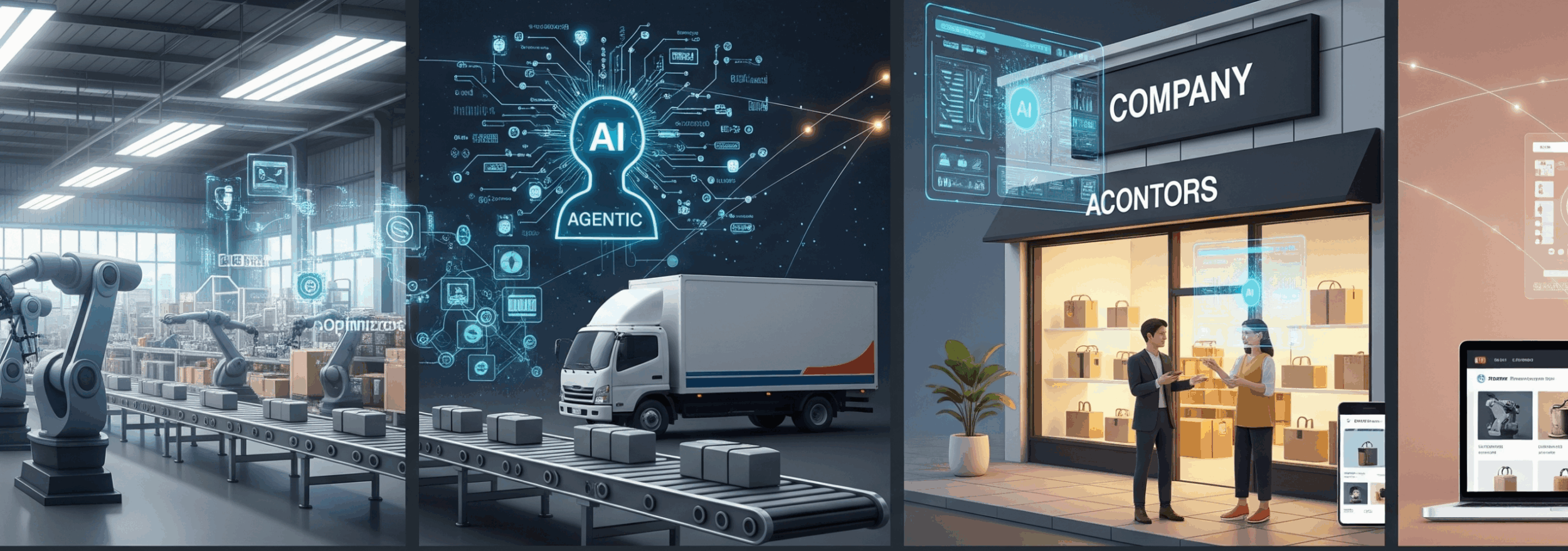


Artificial Intelligence is no longer just a tool—it’s becoming the backbone of how businesses, teams, and even individuals work. The real breakthrough lies in integrating large language models (LLMs)—whether offline or online—into a seamless ecosystem that can be trained, prompted, and deployed to automate tasks, manage workflows, and even connect directly to physical robots.
Why a Unified AI Integration Matters
Today’s AI landscape is fragmented. Organisations often find themselves juggling multiple platforms, APIs, and workflows. A unified integration layer that connects any LLM, workflow engine, or robotic system solves this problem. Imagine being able to:
- Train & Customise Any LLM: From open-source offline models to commercial online APIs, you can fine-tune models for your industry or business process.
- Prompt & Automate: Set up prompt-based automation for recurring tasks—everything from drafting reports to analysing sensor data in real time.
- Connect to Robots & IoT: Bridge AI with hardware to enable robots, drones, or IoT systems to act on intelligent decisions autonomously.
Benefits of AI-Powered Workflow Automation
When AI effectiveness is fully harnessed, workflows no longer remain static. Instead, they become adaptive, predictive, and self-optimising. Some of the key benefits include:
- End-to-End Process Automation: From document processing to logistics coordination, repetitive tasks are streamlined.
- Smarter Decision-Making: LLMs analyse unstructured data, recommend actions, and surface insights faster than traditional systems.
- 24/7 Scalability: AI systems can operate continuously, without fatigue, scaling up to handle thousands of requests simultaneously.
- Cross-Platform Flexibility: Integrations mean you’re never locked into one provider—swap or combine different LLMs depending on the use case.
- Human + AI Collaboration: Rather than replacing workers, AI acts as a co-pilot—freeing up human talent for strategic, creative, and high-value work.
The Vision Ahead
The next frontier is AI as the invisible operating system for both digital and physical environments. Picture this:
- A team member gives a single voice command.
- The LLM understands the intent, triggers an automated workflow, consults external data sources, and sends commands to robots to execute physical tasks.
- Results are fed back into the system for continuous improvement.
This isn’t science fiction—it’s where we’re heading. Businesses that prepare today will gain a massive edge tomorrow.
Conclusion
By integrating all LLMs—offline or online—into a unified automation platform that connects workflows and robots, we unlock a new level of productivity and efficiency. The future is about collaborative intelligence, where humans and AI systems work seamlessly together to transform how we live and work.