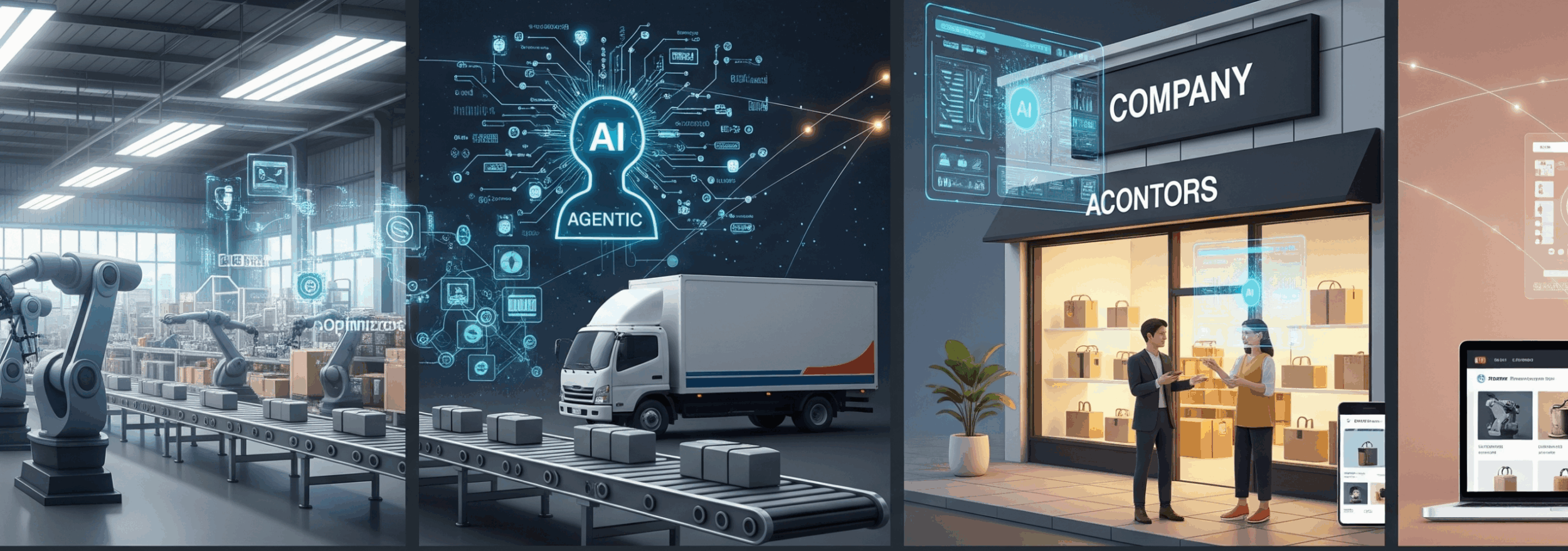


Artificial Intelligence (AI) is no longer a futuristic idea — it has become an integral part of our daily lives, shaping the way we work, learn, and interact with the world. From personalised recommendations on streaming platforms to advanced medical diagnostics, AI is creating both opportunities and challenges that society must navigate.
The Impact of AI
-
Transforming Industries
AI is revolutionising industries such as healthcare, finance, agriculture, and manufacturing. In healthcare, AI-powered imaging tools help detect diseases earlier and more accurately. In finance, algorithms analyse market trends and detect fraudulent transactions. For agriculture, AI systems monitor crop health and optimize yield. Each of these applications reduces costs while improving efficiency. -
Boosting Productivity
Businesses use AI to automate repetitive tasks, allowing employees to focus on creative and strategic work. Chatbots handle customer inquiries around the clock, and predictive analytics help organisations make smarter, faster decisions. This not only boosts productivity but also reshapes workforce dynamics. -
Redefining Customer Experience
AI personalises experiences — from targeted advertisements to virtual shopping assistants that understand your preferences. This level of customisation is becoming the new standard, pushing companies to adopt AI or risk being left behind. -
Ethical and Social Considerations
With great power comes responsibility. The rise of AI brings concerns about privacy, bias, job displacement, and the need for regulation. If left unchecked, AI could deepen inequalities or make decisions without transparency. Addressing these issues is critical to ensuring AI benefits everyone.
How We Can Use AI Effectively
-
Augment, Don’t Replace
AI should be used to complement human skills rather than fully replace them. For example, AI can handle data processing while humans provide empathy, creativity, and ethical judgment. This balance ensures technology enhances — not erodes — human value. -
Focus on Responsible AI
Organisations must prioritise fairness, accountability, and transparency in AI systems. This means addressing bias in algorithms, making AI decisions explainable, and safeguarding user data. Responsible AI fosters trust and long-term sustainability. -
Invest in Education and Upskilling
As AI reshapes job markets, continuous learning becomes essential. Training workers in data literacy, critical thinking, and digital skills helps them adapt and thrive in an AI-driven economy. -
Apply AI to Global Challenges
Beyond business, AI can tackle pressing global issues such as climate change, food security, and healthcare access. For instance, AI models can optimise energy usage, predict natural disasters, or enable remote medical consultations in underserved regions. -
Encourage Collaboration
Governments, businesses, academia, and communities need to work together to create policies and innovations that maximize AI’s benefits while mitigating risks. Collaboration ensures that AI serves society as a whole rather than a select few.
Final Thoughts
AI is a powerful tool — one that can either widen the gap between people or bring unprecedented progress. The key lies in how we choose to use it. By adopting AI responsibly, focusing on human-AI collaboration, and applying it to solve meaningful problems, we can harness its potential for the greater good.